

Strong Is the New Old
If You Start Now

“When I save your mobility, I’m saving you from the ravages of chronic disease,” Dr. Vonda Wright said, as she stood on stage last Thursday night. Dr. Wright’s long black hair was worn down, and thick red glasses framed her bright eyes. She graced the stage in a short dress and stiletto heels. Her strong legs were as much on display as her life’s work as an orthopedic surgeon. She was making a statement (at 58 years old) to say, lift heavy weights and take care of your bones.
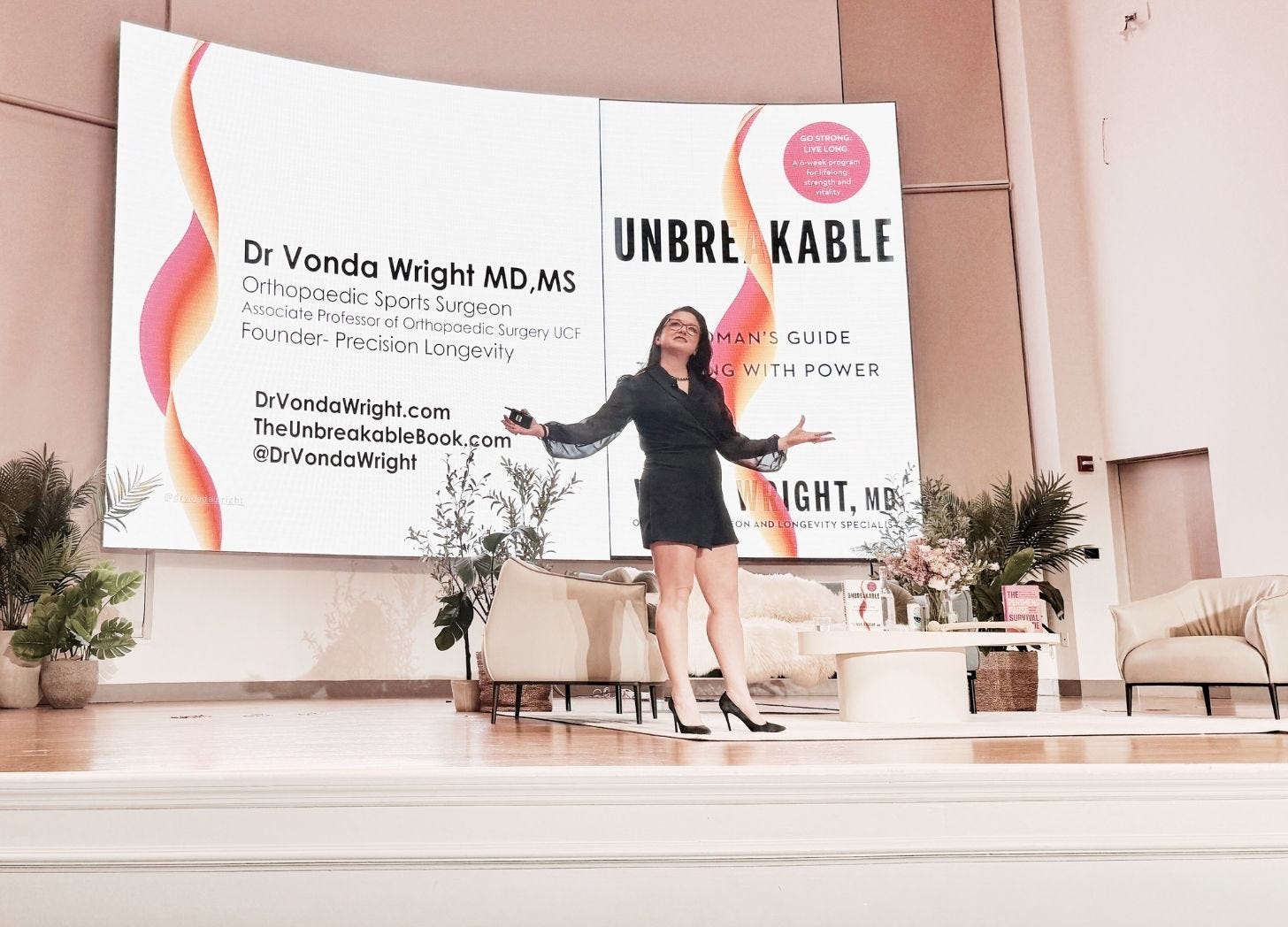
She said, “The reason I’m here tonight, speaking to a room full of healthy women, is because I have sat by the bedside of too many older women about to have surgery, who turn to their oldest daughter (it’s always an oldest daughter) and these women are in tears, trying to understand what happened. They beg their daughters to take better care of themselves. I’m here to tell you how you can.”
The event, Longevity and Hormonal Health was hosted by One Tribe Experiences and held at The Alpha School in South Miami. Dr. Wright shared the stage with Dr. Heather Hirsch, an internist and the author of The Perimenopause Survival Guide; and Colleen Wachob, co-founder of Mind Body Green and co-author of The Joy of Well-Being.
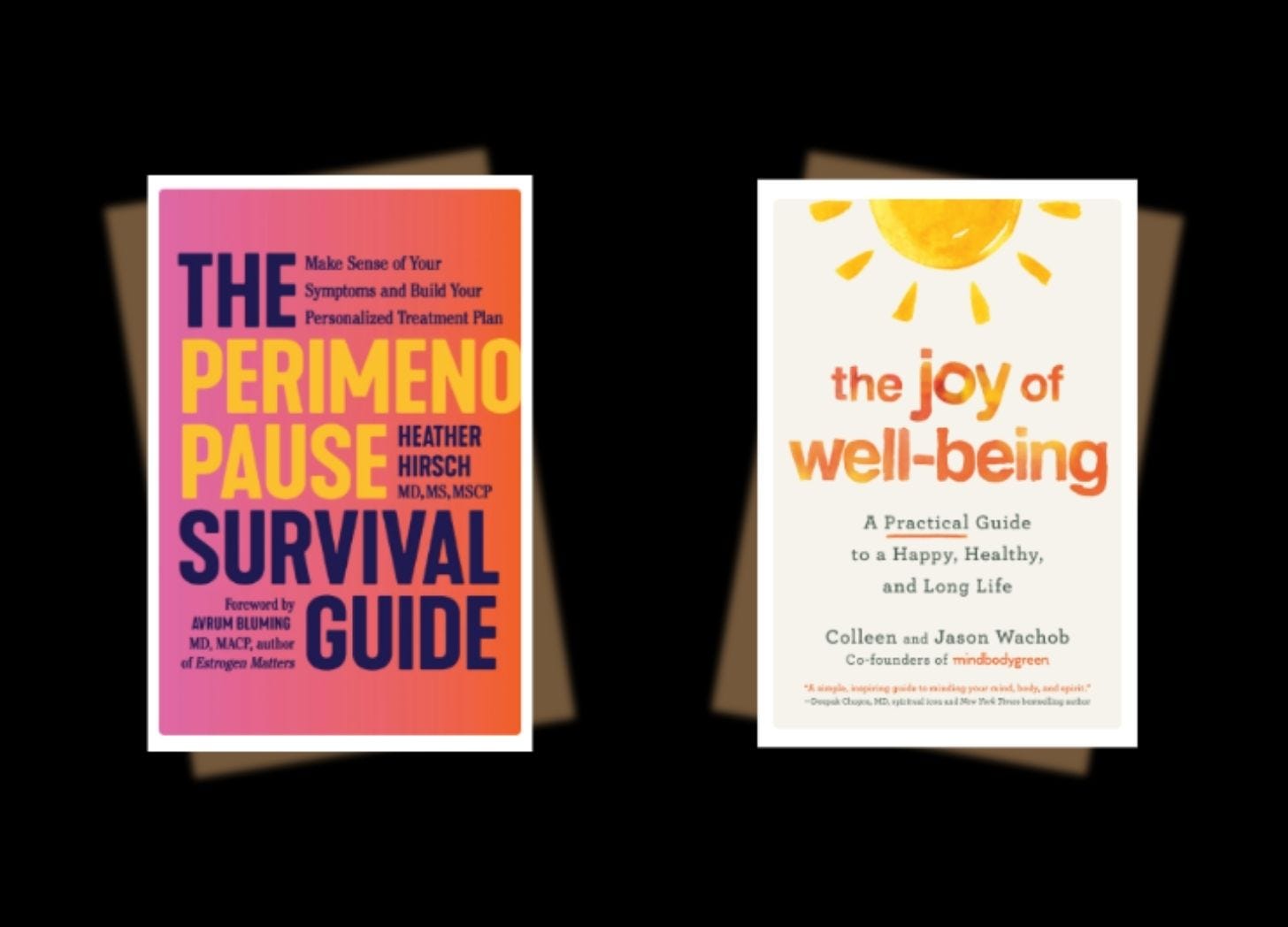
Dr. Wright’s new book, a runaway best-seller, is called, Unbreakable; A Woman’s Guide to Aging with Power, and she talked about the importance of building a strong mindset, as well as strong muscles and bones, to support a durable healthspan.
“54. Does anyone know the significance of the number 54?” Dr. Heather Hirsh asked from center stage in her two-piece red-and-pink-tweed skirt suit.
“54 was the average age women lived to 100 years ago. Today the average lifespan for [American] women is 81, but the average healthspan is only 63.” Furthermore, women can experience symptoms from perimenopause and menopause for twenty years, or longer, so this is not simply a small phase to grin and bear it through. It can be a huge factor in a woman’s life.
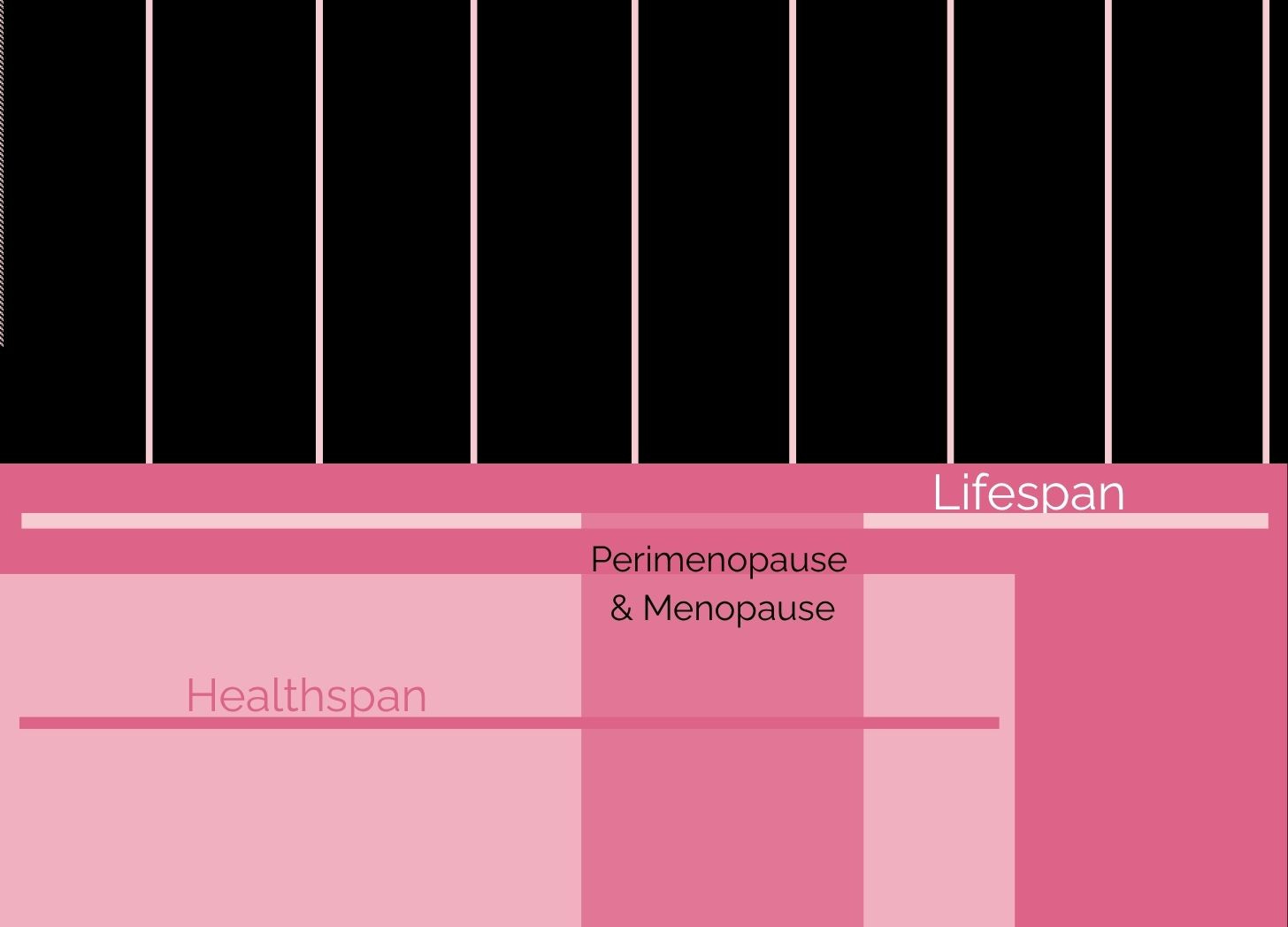
The healthspan is: the years a person lives without age-related chronic disease or disability. So we’ve had a huge improvement on how long we live, but overall, not so much on how well.
For far too long, women’s health has not been properly studied, but we are currently experiencing an explosion of research, and it’s a lot to keep up with. Several times Dr. Hirsch smiled, tossed her long dark hair over her shoulder, and made jokes out of the long lists of things women will do to make sense of their hormones.
As a 44-year-old woman, I’ve heard the word perimenopause almost as many times as I’ve heard my kids say Mom, and in many ways I’m fed up with it. Perimenopause has become an excuse for anything that could feel wrong for a middle-aged woman. While in theory the research is meant to be empowering, in practice I find it can be infuriating when I hear women blame their hormones for the rage they feel after the ridiculous things their partners do. However, I also recognize the more we know about the shifting landscape of the female body at midlife the better decisions we can make.
I will admit, I often suffer from feeling know-it-allish when it comes to women’s health; a subject I’ve been passionate about since I was a teenager. I’m well-versed, skeptical, and critical, but also curious and hopeful. I was pleasantly surprised by how much I learned and how inspired I was by this talk. I suppose it’s the difference between hearing committed experts talk, rather than the constant trickle of re-interpretations that circulate on social media, which for some reason make me feel more alone than encouraged.
After learning a lot about the current research on Hormone Replacement Therapy, and how Dr. Hirsch and Dr. Wright joined forces with several other experts to speak to the FDA on behalf of women who could benefit from HRT… Wachob asked Dr. Wright and Dr. Hirsch one practical thing everyone could do tomorrow.
Dr. Hirsch suggested we talk to our mother about her experience with peri- and menopause.
Dr. Wright said, “Jump. And not little dainty jumps. The impact from 25 strong jumps a day can add decades to the health of your bones.” I have been doing 12 squat jumps every time I get up from my computer, which really adds up throughout the day.
Books & Books had a table arranged with the authors’ latest books. As I was looking at the books, I ran into my friend Hercy Liodden. She is the Director of Programming and Events for One Tribe, and a powerhouse in the women’s health space. She has curated several events such as these that cut through the noise and focus on practical solutions for women. Hercy said, “Get them both, you won’t be sorry.”
She was right. For under $50, I bought two books that have given me an incredible source of knowledge and power. When I think of the cost of healthcare, not only fiscally but temporally and emotionally, I recognize the exponential value of staying ahead of my health.
We finally have all of this research into women’s health, we need to know it.
“Women are 51 percent of the population, and we make 80 percent of the healthcare decisions in our families,” said Dr. Hirsch. We need to know what we’re talking about, what the research says, and how to advocate for ourselves and the people we love.”
Dr. Hirsch’s book debunks myths around women’s health and especially hormone replacement therapy. She also lays out how to assemble a care team, which I find particularly empowering. Unbreakable includes scientific guidance for how to create a movement plan that will make you strong rather than skinny, and Strong Is the New Old.
Thanks for this post Joyce. I'll definitely check out these books. I would also recommend Hormone Repair Manual by Lara Briden. It's has become my favorite book, according to my 9 year old! Perhaps because I reference it so much.
Absolutely love this message and the way you think!